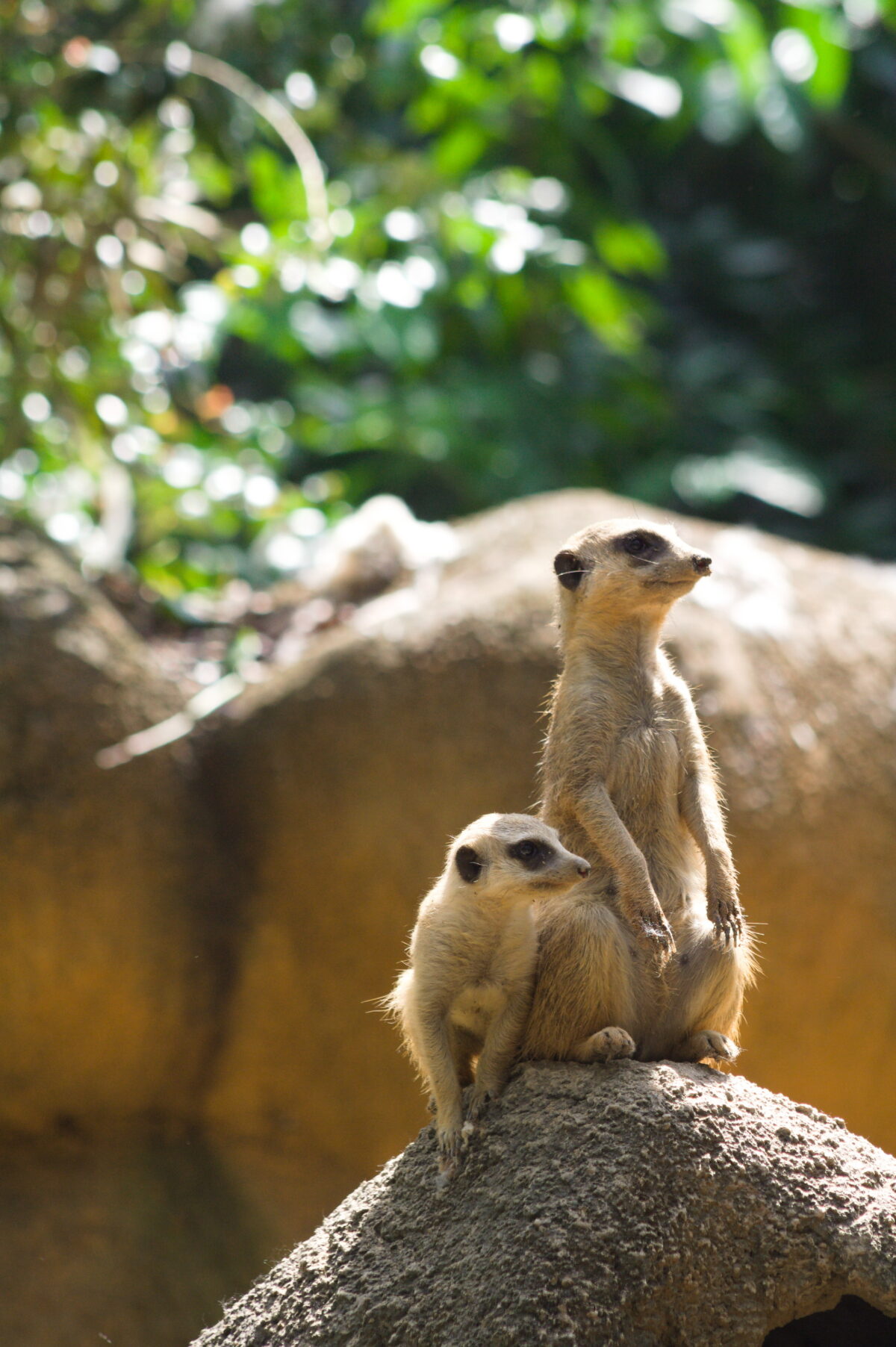
Back in February Mrs Sachie and I had a long weekend down in Singapore. The flights were cheap and Sachie got a deal on a room at the JW. It wasn’t a bad trip but we were mostly looking forward to a day at the zoo.
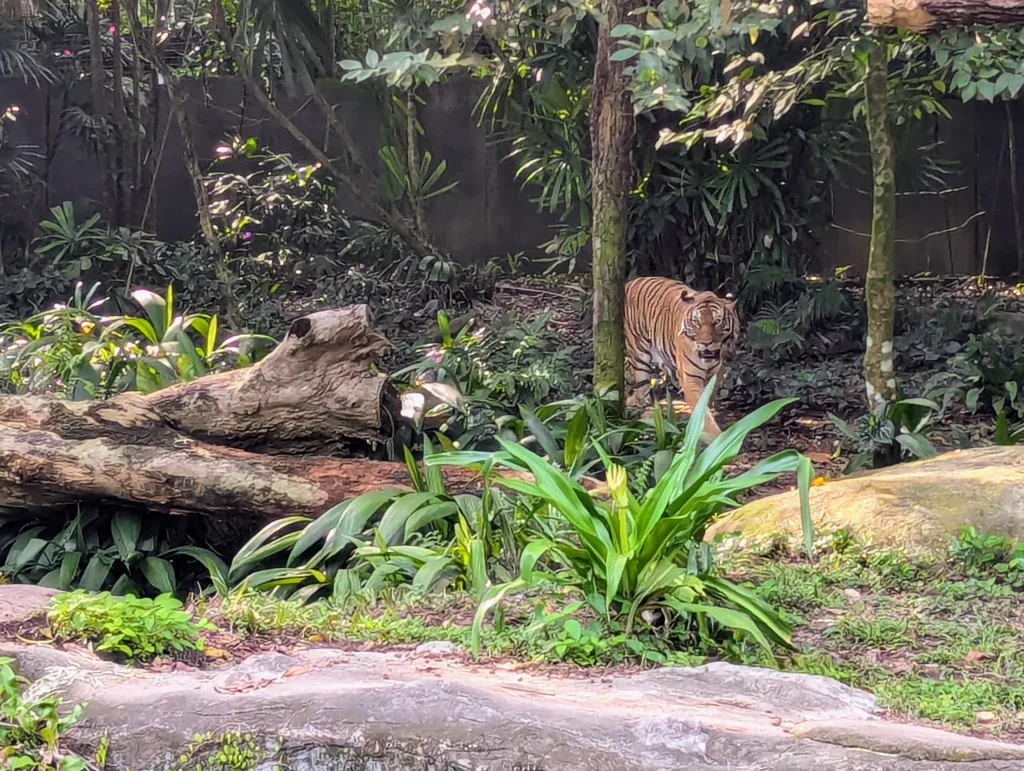
Thanks for joining us again, this time for a visit to Singapore’s Zoo a.k.a Mandai Wildlife Reserve. We had many adventures and took many photographs, enough to test the limits of this blog’s hosting. Let’s go!
Back in February Mrs Sachie and I had a long weekend down in Singapore. The flights were cheap and Sachie got a deal on a room at the JW. It wasn’t a bad trip but we were mostly looking forward to a day at the zoo.
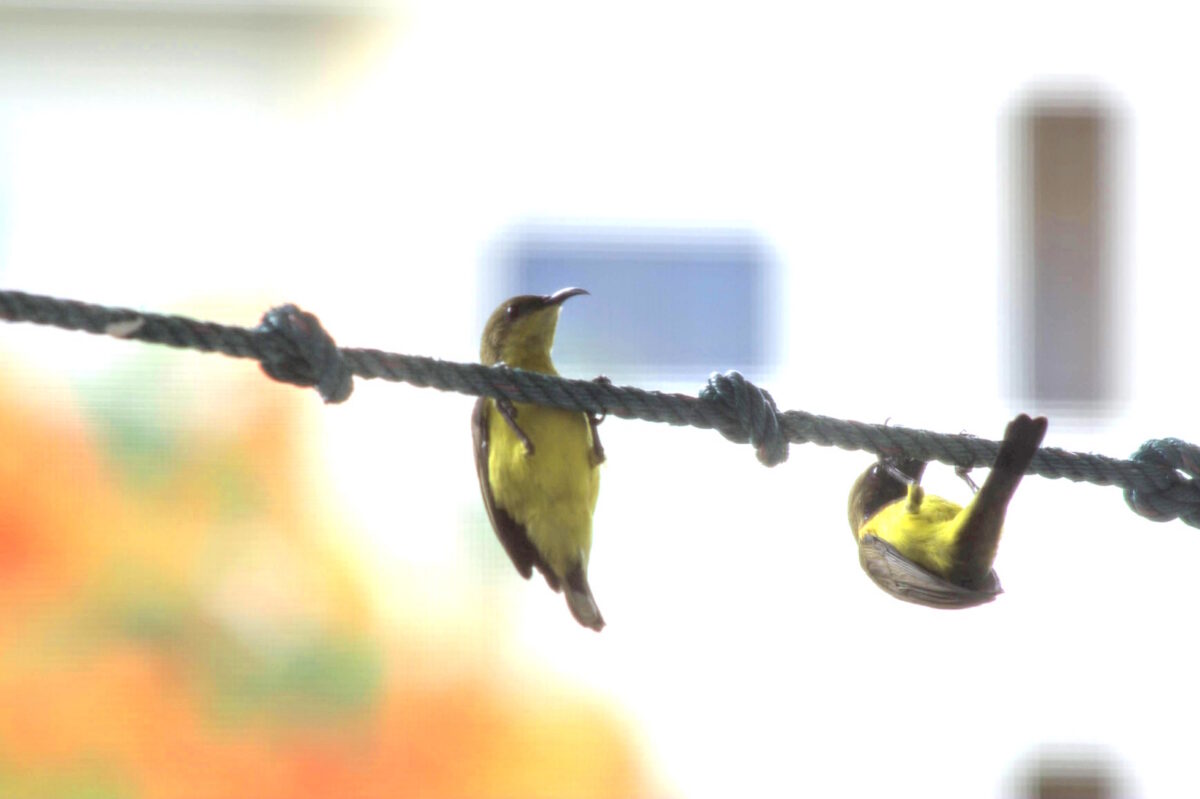
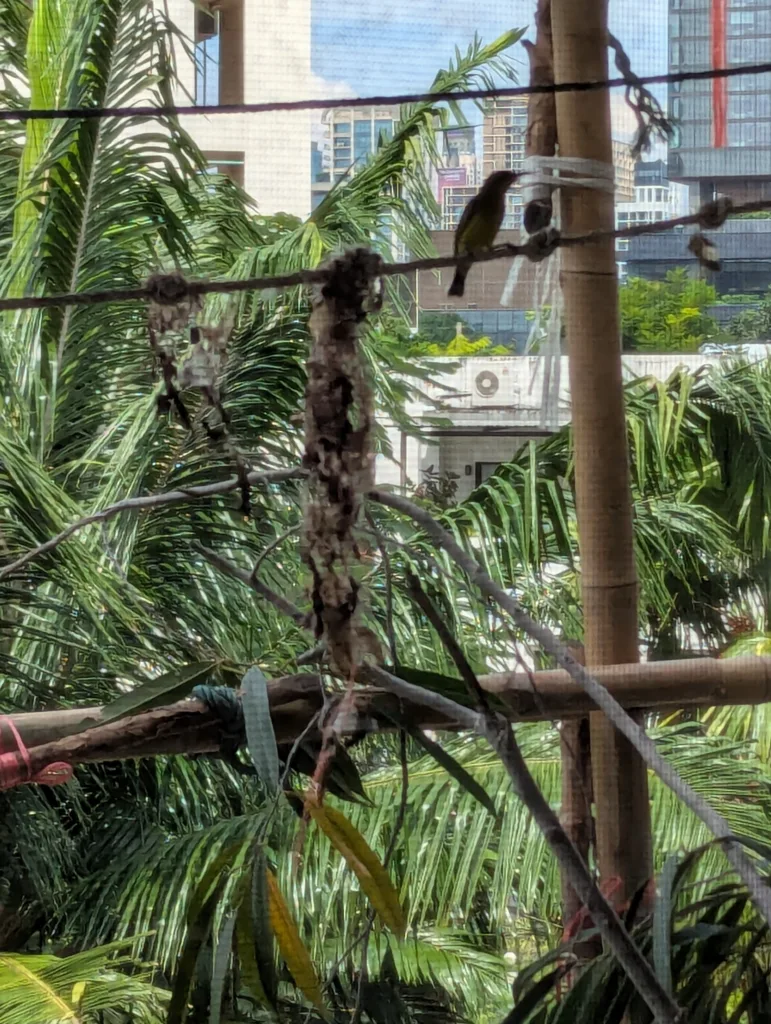
Regular readers of this blog may recall my previous post about our olive-backed sunbirds. Well, they’re back. Or at least they where.
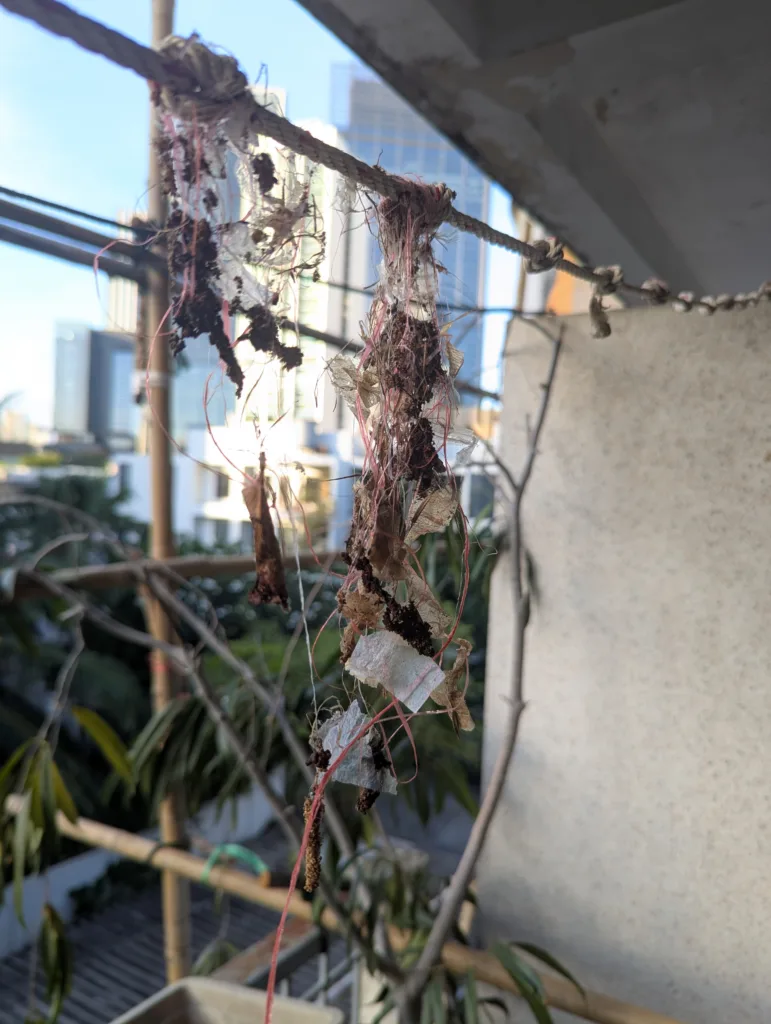
We arrived back from Bhutan to see a new nest in progress. As you can see, the sunbirds are incorporating the latest technology into their nest, pink plastic raffia and sickytape. Our craftsman is below, cunningly out of focus.
Thanks for joining us again. I promise that this will be the final chapter of our US trip and what a fine finish it is. If you’re new to the blog, this post is part of a series that starts with Cruzin’, then Cruzin’:Day Two, Cruzin’ III:Mexican Adventures, Cruzin’ Day IV:Poison & Magic, Last Day Cruzin’ and NASA! This is another 3,000-word whopper but I’ll try to cut most of the slack before publishing. It’s mostly photos anyway.
It’s a long jet-ride from the Atlantic to the Pacific coasts of the US but we landed at LAX OK. Next job is to get to the hotel. No airport train, no public transport (that would be Communism!) so it’s an Uber to Anaheim. Trouble is that you do have to take public transport, an airport bus, I don’t know, 55 miles or something to an enormous carpark that is the Uber pickup zone. The ten acres of tarmac and tents looks like it was set up five years ago as a temporary refugee camp and forgotten about. LA is a bit of a shithole but it’s better than some shitholes I have been in.
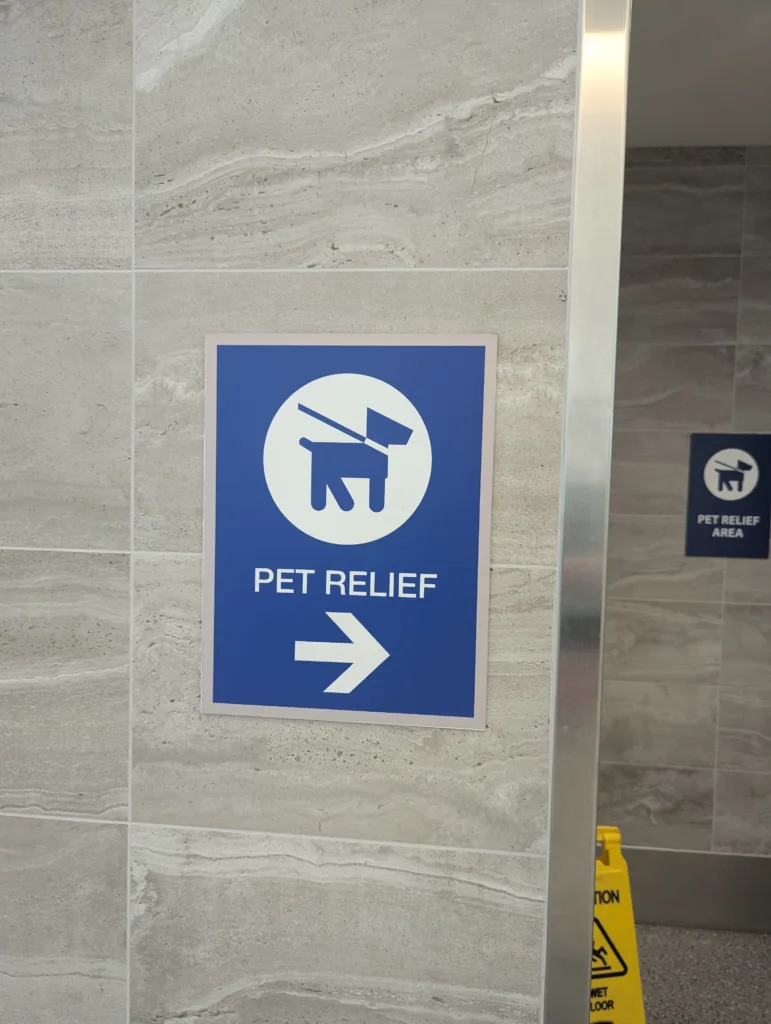
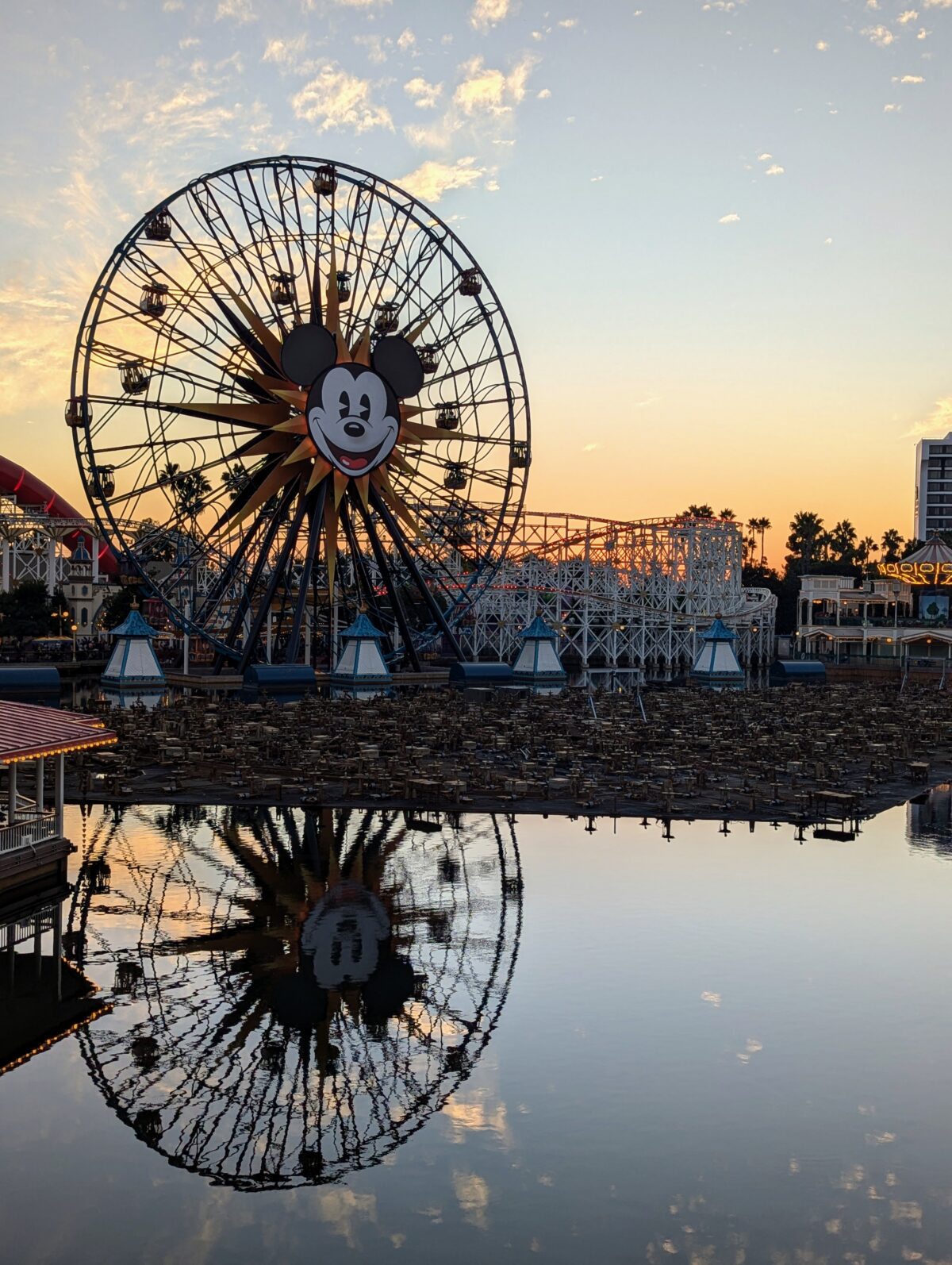
Into our Uber and a ride down massive elevated highways covered in wicked skidmarks (Look Sachie! That one goes over four lanes!) for a $60 trip to the JW Marriott, just a stone’s throw from Disneyland.
Continue reading “The Happiest Place on Earth”This post is part of a series. You can catch up with Cruzin’, Cruzin’: Day 2, Cruzin’: Day III, Mexico Adventures, Cruzin’ Day IV: Poison & Magic and Last Day Cruzin’
A quick note before we get going. This post covers a day and half but it’s a bloody long day and a half. You’re looking at 3,000 words so go put the kettle on.
Life is bright because we’re on the Brightline to Orlando. You may recall this photo from the previous post.
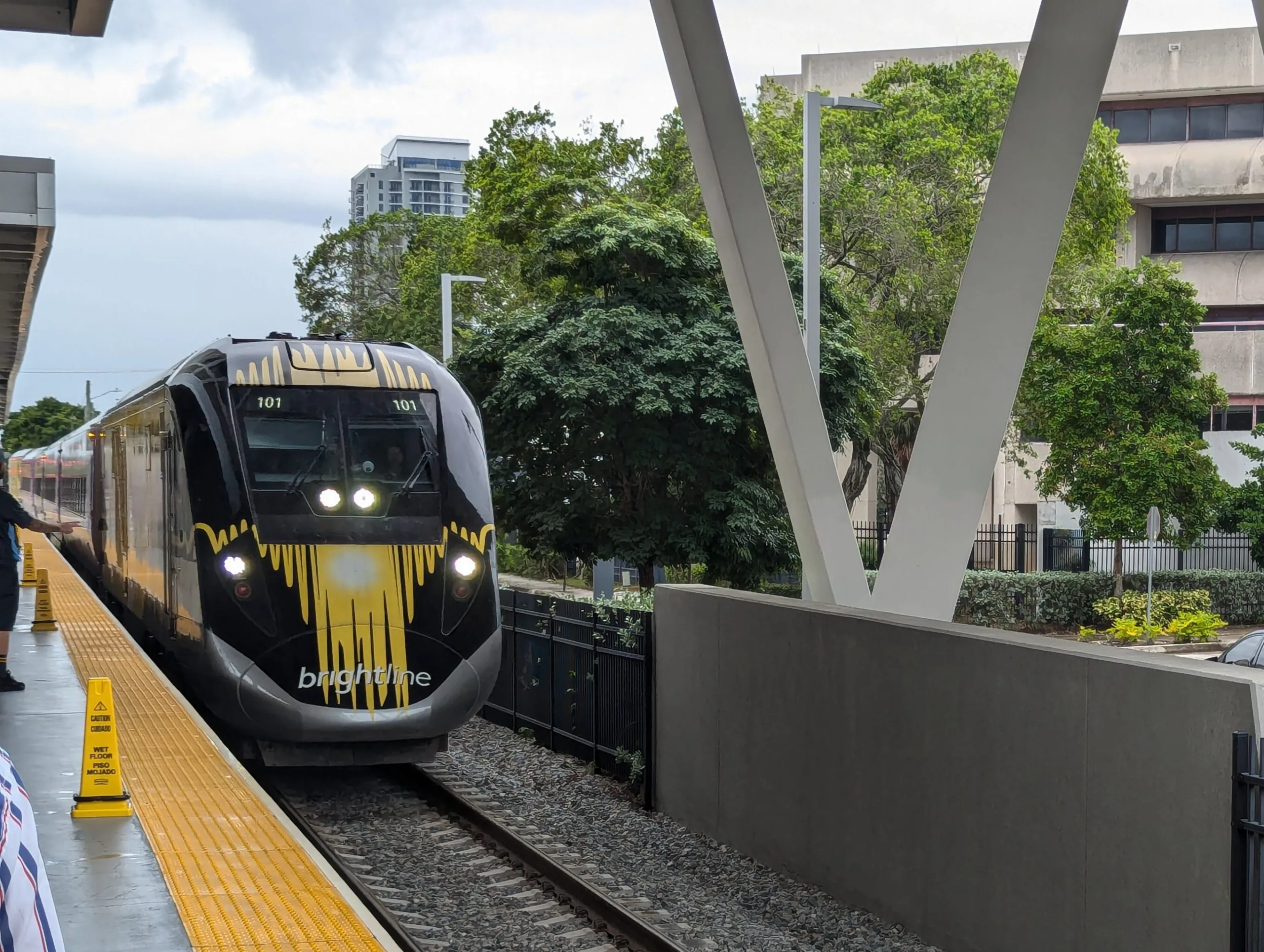
The Brightline runs up the East of Florida and is a privately run train that’s trying to be pretend it’s an airline. The stations have check-in, the waiting room is like an airport gate and they even have airliner-style carts selling snacks on the train.
Continue reading “NASA!”This post is part of a series. You can start with Cruzin’, then Cruzin’:Day Two, Mexican Adventures and Cruzin’ Day IV:Poison & Magic.
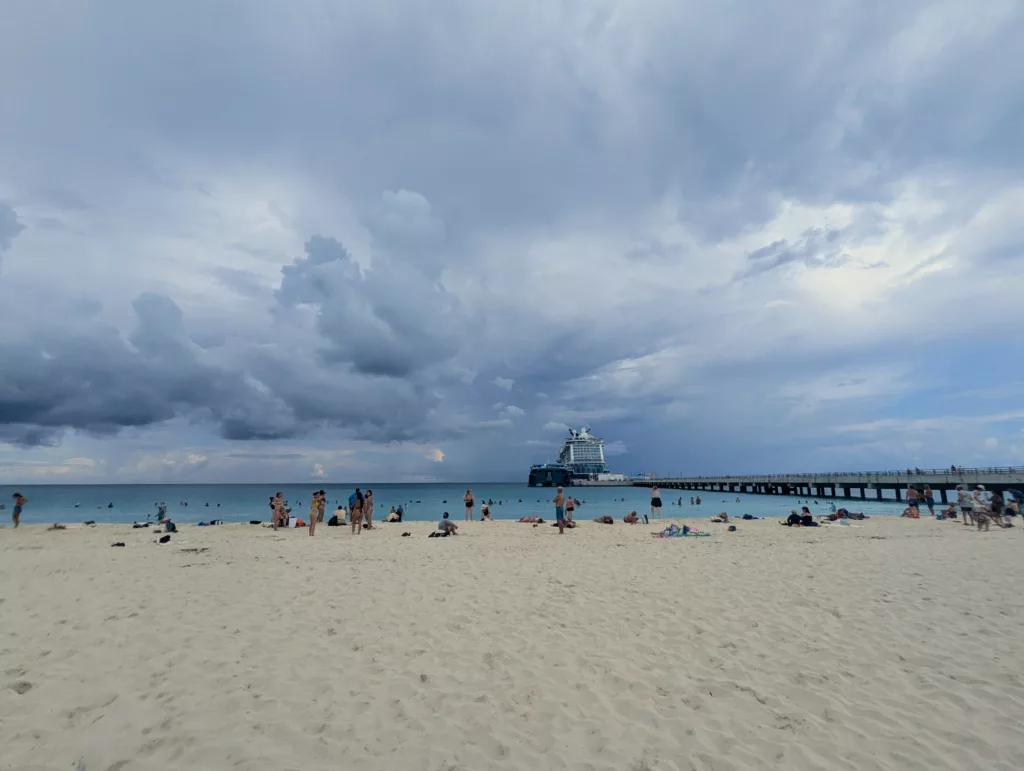
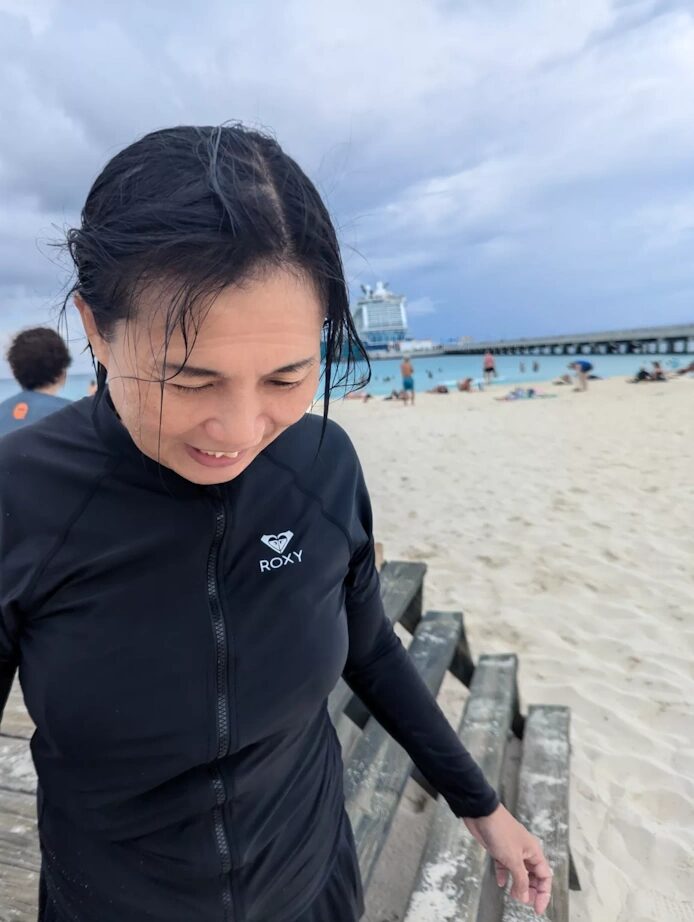
See that? That’s the beach at Bimini, part of the Bahamas. See that ship, that’s our ship. See those clouds? Full of rain. Looks like that hurricane is getting closer.
Continue reading “Last Day Cruzin’”